

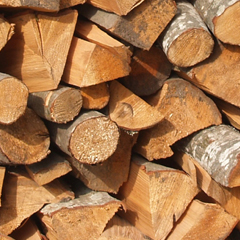

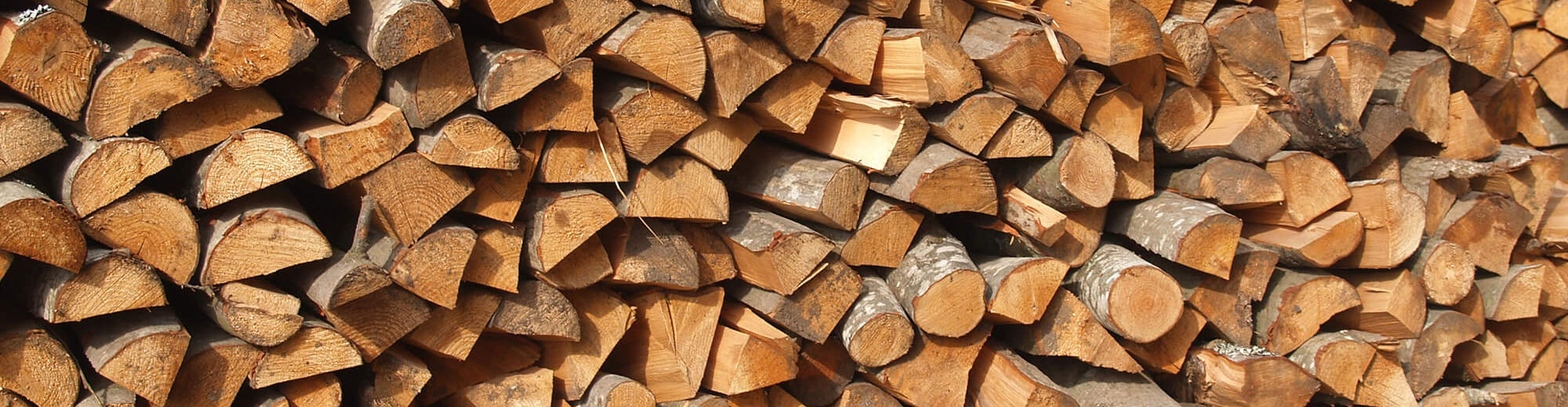
At Cedarwood Fuels, we know that choosing the right firewood can make all the difference to your home. The warmth, the flame, the cost-effectiveness — they all depend not just on the type of wood, but also on how it’s prepared.
That’s why we only supply kiln dried firewood. Every log we deliver has been carefully dried to a moisture content below 20%, guaranteeing an efficient, reliable, and clean burn every time. Unlike air-dried wood — which can be unpredictable in Northern Ireland’s damp climate — kiln dried logs are ready to burn the day they arrive, with no waiting, no fuss, and no wasted energy.
In this guide, we’ll look at the four premium hardwoods we provide — birch, ash, alder, and hornbeam — and explain their unique burning qualities, best uses, and why kiln drying brings out the best in each of them.
Why Kiln Dried Firewood Matters
Before diving into each wood type, here’s why kiln dried logs are the smarter choice for your home:
- Reliable performance – Fires light quickly and consistently.
- Higher heat output – No wasted energy boiling off moisture.
- Cleaner stoves and chimneys – Less smoke, less creosote, and less soot on stove glass.
- Better value – More heat per cubic metre, meaning you use fewer logs overall.
- Environmentally friendly – A hotter, more complete burn means lower emissions.
Whether you’re heating a modern eco-stove or a traditional oven, kiln dried firewood gives you the confidence that every log will perform as it should.
Birch Firewood
Fast, bright and beautiful.
Birch is one of the most popular choices among Northern Ireland homeowners because it’s so easy to light. Kiln drying makes it even more reliable — no damp bark, no struggling to get it going. It produces a bright, lively flame and a lot of immediate heat, making it perfect for cosy evenings when you want warmth quickly.
- Pros: Quick to light, high initial heat, beautiful flame.
- Cons: Burns faster than denser hardwoods.
- Best use: Evening fires, autumn warmth, mixing with denser woods for balance.
Our experience: Birch is the wood people fall in love with visually — the flame is second to none. We often recommend using it to start a fire, then adding hornbeam or ash for longer-lasting heat.
Ash Firewood
The king of firewood.
Ash has earned its reputation as the best all-rounder. Kiln dried ash burns evenly, with excellent heat output and very little waste. It’s forgiving — even green ash burns better than most other woods — but kiln drying elevates it to another level.
- Pros: High heat, long burn, very consistent.
- Cons: Slightly higher price, but worth it.
- Best use: Everyday burning, main home heating.
Our experience: Customers who buy ash rarely switch to anything else. It’s reliable, powerful, and steady — the perfect “one wood fits all” option. If we had to recommend just one type for Northern Irish homeowners, it would be ash.
Alder Firewood
The underrated option.
Alder doesn’t have the same prestige as ash or hornbeam, but it plays an important role. It lights extremely easily, and when kiln dried, it’s quick, clean, and dependable. Because it’s less dense, it burns faster — but that makes it ideal for shoulder seasons like autumn and spring, when you don’t need the fire to last all night.
- Pros: Easy to light, affordable, great flame.
- Cons: Shorter burn time.
- Best use: Shoulder season fires, kindling, quick evening heat.
Our experience: Some customers love alder for its convenience — especially families who want quick heat after school or work without using up denser, more expensive logs.
Hornbeam Firewood
The powerhouse of heat.
Hornbeam is one of the densest hardwoods available in Northern Ireland, and kiln drying unlocks its full potential. It’s not the easiest to light, but once it’s burning, it produces intense, long-lasting heat. Perfect for those freezing winter nights when you want the fire to last until morning.
- Pros: Very high heat, long burn, excellent value per hour of heat.
- Cons: Harder to light than birch or alder.
- Best use: Overnight burns, deep winter heating, mixing with birch for easy ignition.
Our experience: Customers often comment on how much hotter their stoves run on hornbeam. It’s less common than other hardwoods, but those who use it tend to stick with it, especially through the colder months.
Head-to-Head Comparison
| Wood Type | Heat Output | Burn Time | Ease of Lighting | Best For |
|---|---|---|---|---|
| Birch | High (instant) | Short | Very easy | Quick, bright fires |
| Ash | High | Long | Easy | Everyday use, premium choice |
| Alder | Medium | Short | Very easy | Shoulder season, kindling |
| Hornbeam | Very high | Very long | Moderate | Overnight, winter heating |
Mixing Woods for the Best Results
The smartest way to use kiln dried firewood is to mix it:
- Start with birch or alder for a quick light and lively flame.
- Once the fire is established, add ash or hornbeam for long-lasting heat.
- For winter nights, build your fire with a birch base and hornbeam top — you’ll get both fast ignition and overnight warmth.
The Cedarwood Fuels Promise
At Cedarwood Fuels, we believe homeowners in Northern Ireland deserve firewood that works as hard as they do. That’s why every log we deliver is kiln dried, ready to burn, and carefully selected for quality.
No matter whether you prefer the lively flame of birch, the steady power of ash, the quick convenience of alder, or the dense heat of hornbeam — you can trust that our firewood will keep your home warm, your stove clean, and your family comfortable.
🔥 Ready to stock up? Explore our full range of kiln dried birch, ash, alder and hornbeam today — and experience the difference for yourself.